

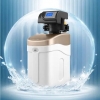
Water softener is a device that reduces the hardness of water by removing hardness ions such as calcium and magnesium from water. Its main role is to convert hard water into soft water, thereby avoiding the occurrence of scale, and protect the health of electrical equipment, pipes and skin. Calcium and magnesium ions in the hard water machine can cause water scaling, affect the service life of pipes and electrical appliances, and may also dry the skin and effectively disconnect washing supplies. Therefore, the water softener is particularly suitable for use in hard water areas.
Show More
Working principle of water softener:
Water softeners usually use ion exchange technology to exchange calcium and magnesium ions in water through a resin bed containing sodium ions. When the water flows through the resin layer, the calcium and magnesium ions in the water are adsorbed to the resin, and the sodium ions are released to the resin water, thereby reducing the hardness of the water and obtaining soft water.
Main functions of water softener:
- Scale removal: The soft water function can effectively remove calcium and magnesium ions in the water, prevent scale from being deposited on household appliances such as pipes, water heaters, washing machines, and so on, thereby extending the service life of household appliances.
- Protect skin and hair: Soft water is more sensitive to skin and hair, reduces dryness and irritation, and is especially suitable for people with sensitive skin.
- Improve the cleaning effect: Soft water can reduce the amount of detergent, and can produce a richer foam, cleaner, especially in laundry and bathing effect is more significant.
- Prolong equipment consumption: Water softeners help reduce scale inside water heaters, boilers and other equipment, improve energy efficiency and reduce maintenance costs.
- Energy savings: Soft water can improve the efficiency of the water heater and reduce energy consumption, thus saving money on household electricity or gas bills.
Application scenarios of water softener:
- Home: Install household water systems to protect appliances and improve the quality of water use, especially in bathing, laundry and kitchens.
- Accommodation: To provide guests with a more comfortable soft water experience, improve customer satisfaction.
- Industry: In some industrial fields, especially in industries with high quality requirements, such as pharmaceutical, food and beverage production, water softener is also widely used.
Water softener Type:
- Ion exchange water softener: The most common type of water softener uses ion exchange resins to raise pore ions in water.
- Salt-based water softener: It is necessary to add soft water salt regularly to supplement ions and carry out soft water cycle.
- Salt-free water softener: Changes the mineral structure of the water by physical or chemical means to prevent scale formation, but does not completely remove calcium and magnesium ions.
Maintenance of water softener:
The maintenance of the water softener is mainly to regularly replace or supplement the salt (for the salt base water softener), as well as regular cleaning and resin maintenance layers to ensure the normal operation of the equipment. Different types of water softeners may differ in maintenance, but they basically need to ensure the normal operation of the ion exchange system.
Overall, water softeners can significantly improve the quality of water in a home or business location, reduce scale problems, enhance the service life of the equipment, and provide a more comfortable water experience.
Showing 1 to 3 of 3 (1 Pages)